


Health Considerations
Disclaimer
The information provided on this website is for educational and general wellbeing purposes only and is not intended as medical advice. Any information about herbs, foods or supplements should not be interpreted as a diagnosis, treatment, cure or prevention of any disease.
Herbal supplements are not suitable for everyone and may interact with prescription medications or existing medical conditions. Always consult your GP, pharmacist or another suitably qualified healthcare professional before starting any new supplement, particularly if you are pregnant, breastfeeding, under 18, taking medication or have a medical condition.
Individual responses to herbs and supplements vary. Any recommendations are based on general information and should not replace personalised medical advice from your healthcare provider.
If you experience any adverse effects, stop taking the product and seek advice from a healthcare professional.
Food supplements should be used as part of a balanced diet and healthy lifestyle and should not be used as a substitute for a varied diet.
MTS accepts no liability for any claims arising from the use of any herbs sold by us.
Please note that the information below is not an exhaustive list; please ensure you complete your own due diligence.
Pregnancy
Treatment [with herbs] during the first trimester [of pregnancy] should only proceed if absolutely necessary. Treatment at this time is generally only for morning sickness or threatened miscarriage (after medical diagnosis as to the reasons of the threatened misscarriage). - Thomsen, Michael, The Phytotherapy Desk Reference, 6th Edition, 2022
Children
**NOT ALL HERBS ARE SUITABLE FOR CHILDREN. IF YOU ARE UNSURE, DO NOT USE. **
The information below is written with guidance from the following publications. MTS take no responsibility for errors and omissions within this guidance and encourage individuals to complete their own research or discuss herbs with a qualified medical professional and/ or qualified Clinical Herbalist prior to use.
Thomsen, Michael, The Phytotherapy Desk Reference, 6th Edition, 2022
Jones, Lucy, A Working Herbal Dispensary: Respecting Herbs as Individuals, 2023
Fowler, Alys, A Modern Herbal, 2019
Dadachanji, Amaia, Wild Apothecary: Reclaiming Plant Medicine for All, 2021

A well-used adaptogen throughout the world, liquorice can support the adrenals, which often become depleted at times of stress or trauma. Liquorice can help cortisol reduction and thereby support progesterone production, which helps in estrogen-dominant conditions such as Endometriosis and PMOS.
- DO NOT USE DURING PREGNANCY/BREASTFEEDING
- DO NOT USE IF YOU HAVE: High Blood Pressure, Congestive Heart Failure, Fluid retention, Renal (kidney) disorders/ CKD**Bile flow disorders or liver disease **Low potassium, Hypotonia (decreased muscle tone), Anorexia
- DO NOT USE DURING BREASTFEEDING/ LACTATION
- DO NOT USE WHILE TAKING CORTICOSTEROIDS, WITHOUT MEDICAL SUPERVISION
- DO NOT USE IF YOU ARE TAKING: Oral contraceptives - may increase the risk of side effects such as hypokalaemia (low potassium), fluid retention and hypertension (high blood pressure). Betablockers and other hypertensive medication Chemotherapy, Warfarin
[non-exhaustive list]
- May deplete potassium levels if used in large doses over a long period.
- May reduce sodium levels if used in large doses over a long period, causing extremity swelling and possible raised blood pressure.

There have been very few side effects reported but moringa seeds may possess qualities which make it unsuitable for the following people:
- Are pregnant or breastfeeding
- Have diabetes
- Have a liver condition
- Are taking blood pressure medication
- Are taking thyroid medication
Taking drugs that are substrates of the cytochrome P450 family of enzymes.
Eating too many moringa seeds may cause some digestive issues, and eating far too many of them at a time might lead to abdominal pain and dehydration.
Some people may experience tiredness, some tingling bone pain in the body and tiredness when they take moringa seeds initially. While these are normal effects, and prolonged consumption at a slow pace should nullify these, we recommend you consult a doctor if you experience adverse side effects.

Do not take Black Seed Oil if you are taking medications that are processed through the cytochrome P450 pathway. Common medications that could be affected include warfarin (Coumadin) and beta-blockers like metoprolol (Lopressor)
If you have any current kidney problems, it’s recommended to talk with your medical provider before taking black seed oil.
Finally, due to limited research, women who are pregnant or breastfeeding should avoid using black seed oil, except for in small amounts as a flavoring for food.

Do not take Shilajit if you have sickle cell anaemia, hemochromatosis (too much iron in your blood), or thalassemia.
If you experience any of the following side effects, please stop taking Shilajit and consult your doctor:
- Weakness
- Headache
- Tiredness
- Stomach ache
It is possible to be allergic to Shilajit, stop taking shilajit if you develop a rash, increased heart rate, or dizziness.

Do not consume significantly more than the daily recommended amount as excess iodine consumption (approximately 7x the daily recommended amount of iodine) can result in thyroid dysfunction in some populations, including thyroiditis, thyroid papillary cancer, and goitre.
If you're experiencing any negative side effects, like an itchy throat or nausea (signs of a food allergy), stop taking seamoss and consult your doctor

Astragalus
Traditionally used to support immune health. An immunomodulator and adaptogen, anti-inflammatory, antioxidant. Cardioprotective, hepatoprotective.
- Seek medical guidance as to usage during pregnancy and lactation, or where acute infection is present
- May cause mild digestive upset (rarely)
- DO NOT USE if you have had an organ transplant and/or are taking immunosuppressants.

No human studies have examined the side effects of lion’s mane mushroom or its extract, but they appear to be very safe. No adverse effects have been seen in rats, even at high doses relative to their body weight.
DO NOT USE IF YOU ARE ALLERGIC TO MUSHROOMS
SEEK APPROPRIATE MEDICAL GUIDANCE IF YOU ARE:
- Taking blood-thinning medication
- Due to have surgery (it may limit the blood’s clotting ability)
- Taking diabetic medications such as Metformin (it may lower blood sugar levels)
- Taking anti-hypertensive medications (it may lower blood pressure).
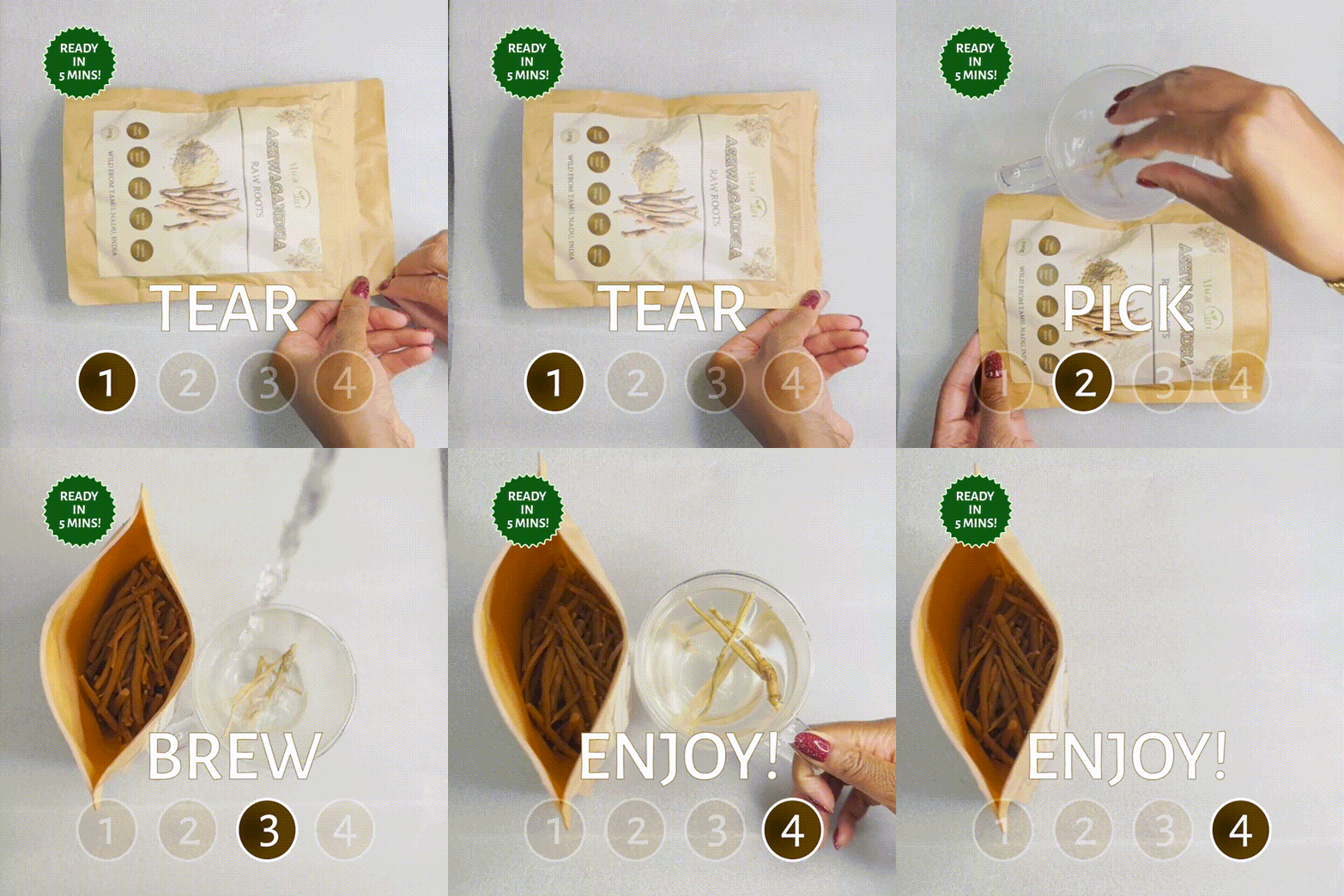
Avoid taking ashwagandha if you are pregnant, while there is limited research, it may cause pregnancy loss if used in high doses.
Also, those with hormone-sensitive prostate cancer and those taking certain medications, such as benzodiazepines, anticonvulsants, or barbiturates, should avoid taking ashwagandha.
Ashwagandha may affect the thyroid, so those with thyroid disease should check with a healthcare professional before taking it
Research findings suggest that ashwagandha’s effects aren’t immediate, so keep in mind that you may have to take it for several months before you start noticing its effects.
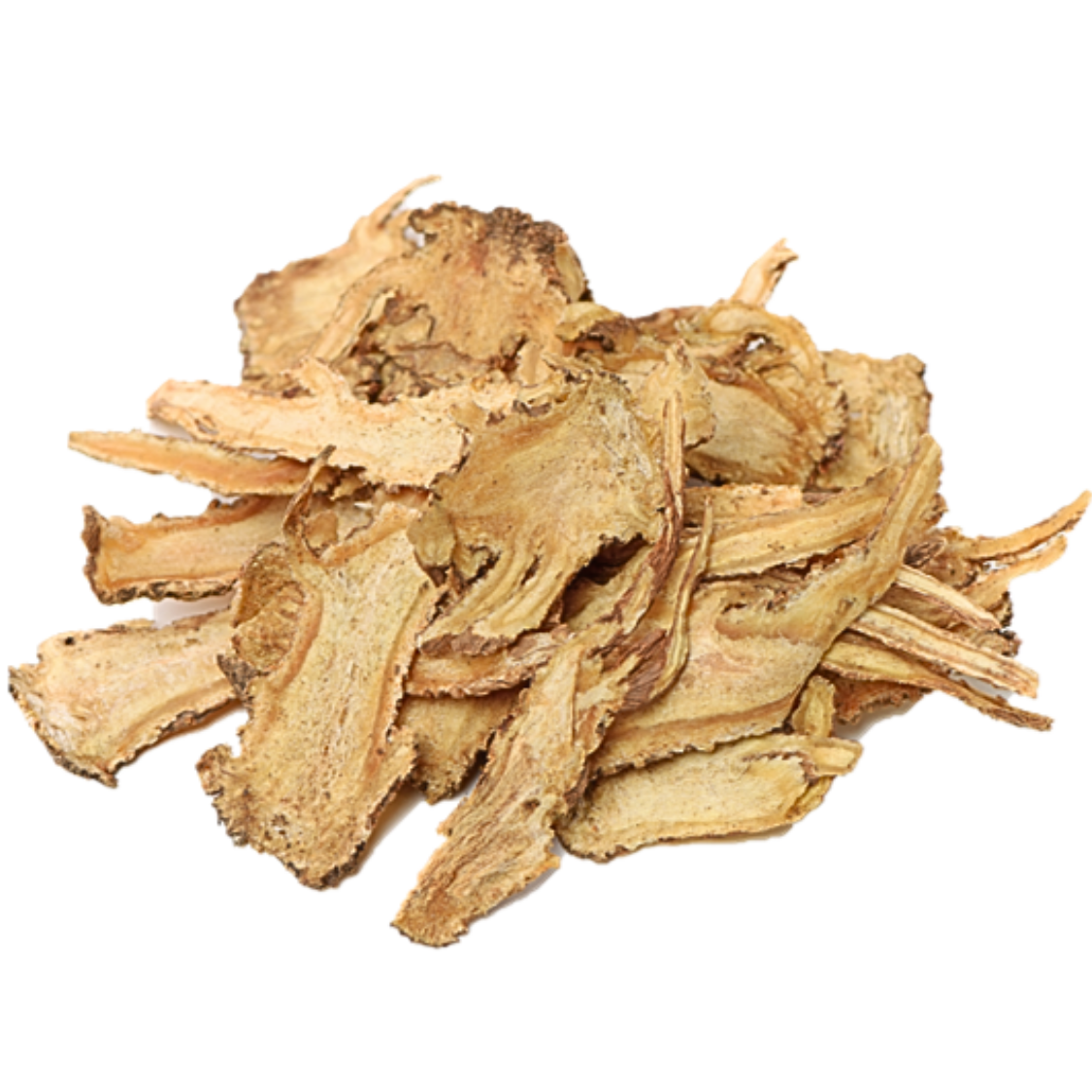
🚫 Who Should Avoid Dong Quai?
Pregnant Women: It may stimulate uterine contractions and increase miscarriage risk.
Breastfeeding Women: Lack of sufficient safety studies.
People with Bleeding Disorders or on Blood Thinners (e.g. Warfarin): Dong Quai can increase the risk of bleeding due to its coumarin content.
Those with Hormone-Sensitive Conditions (e.g. breast cancer, uterine fibroids, endometriosis): Because it has phytoestrogenic effects, it may interfere with these conditions.
Seek guidance from a qualified medical professional before use orthodox hormonal medications, photosensitising medications or CYP450 substrates (Amlodipine, Atorvastatin etc. - non-exhaustive).
⚠️ Other Considerations
- High doses may make skin more sensitive to sunlight, increasing the risk of sunburn.
- Mild gastrointestinal upset, diarrhoea, or skin rashes in some people.
✅ General Disclaimer
Always consult a qualified healthcare practitioner before use, especially if you are pregnant, breastfeeding, have a medical condition, or take prescription medications.

Spirulina
A nutrient-dense cyanobacterium used as a food supplement and source of protein, carotenoids, iron and the blue pigment phycocyanin. Research suggests antioxidant and anti-inflammatory activity, and small human studies have explored possible benefits for metabolic health, allergic rhinitis and some lipid measures. It should not be presented as a treatment for serious medical conditions.
- DO NOT USE AS A RELIABLE SOURCE OF VITAMIN B12, the B1 like compounds in spirulina are not considered a dependable source of biologically active B12 for humans.
- Avoid if you have phenylketonuria (PKU).
- Use caution in people with an allergic predisposition.
- Seek medical guidance if taking medicines with a narrow therapeutic index or medicines metabolised by CYP1A2/CYP2E1.
- Pregnancy, breastfeeding and use in children should favour reputable contaminant-tested products and professional guidance.

Lemonbalm
To support the nerves and will support sleep. Supports the heart and cardiovascular system, helping to reduce worry and tension and antispasmodic - supporting relaxation. Also great to support worried children! Helps digestive gripes. Strongly antiviral and has been shown to be effective against the Herpes family of viruses. May also help with reducing the nasty symptoms associated with the flu.
- Evidence to show that Lemon Balm may inhibit thyroid functions, particularly with an underactive thyroid condition - please consult with a medical professional if you have this condition or suspect that you do.
- Use with caution if prescribed Pentobarbital (Pentobarbitone) as Lemon Balm may increase its sedative effect.
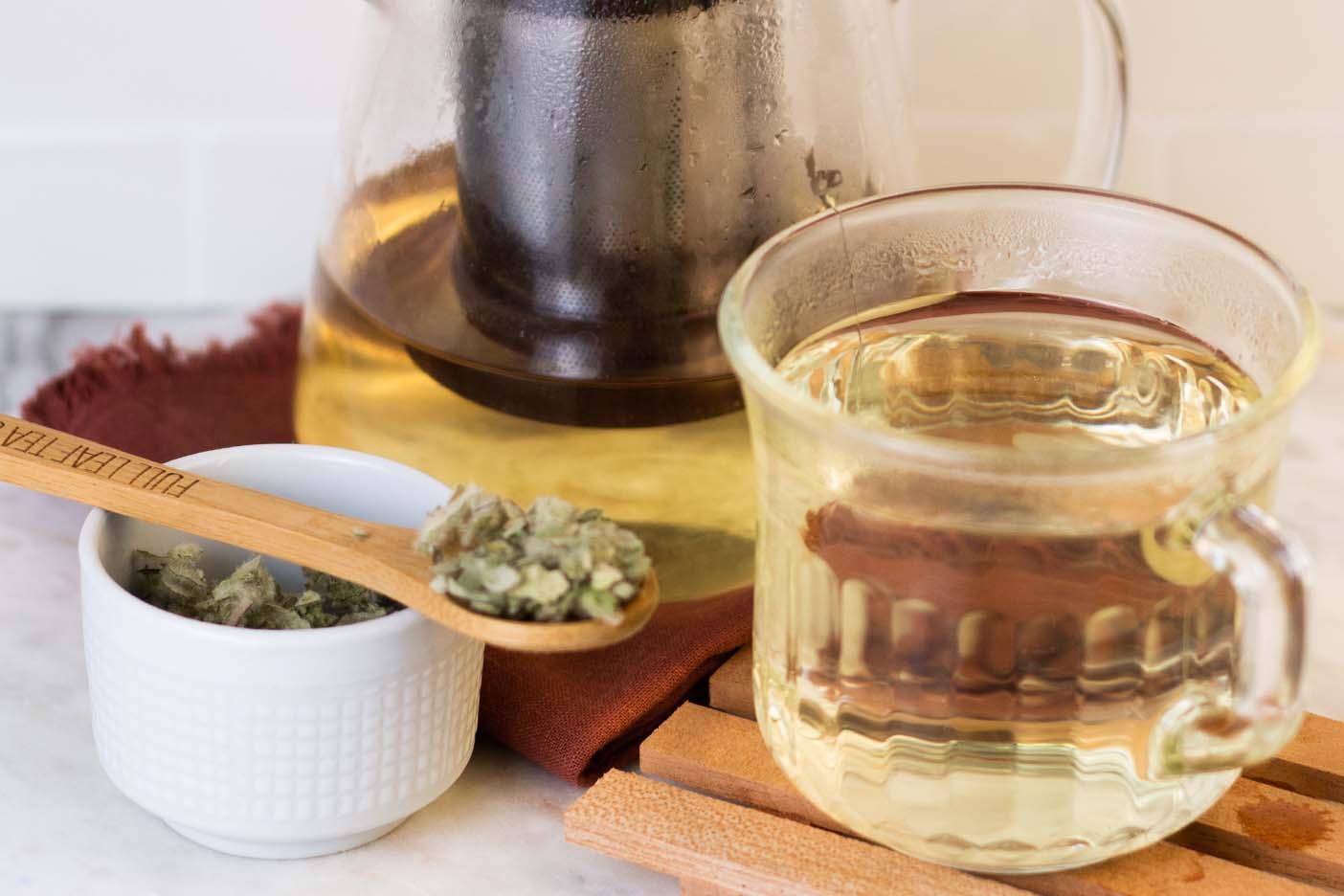
Mullein Leaf
Primarily used to support respiratory conditions, especially dry coughs and catarrh. Can support chronic respiratory complaints that include dryness as a main feature. Historically prescribed as a cough remedy and smoked as a remedy to support asthma and tuberculosis.
- No known contraindications.
Raspberry Leaf
The herb for women’s issues, an excellent anti-inflammatory and astringent (binding/ tightening). Also good for prostate inflammation (French herbal knowledge). Encourages milk production when drunk as a tea post-birth and supports a reduction in pain postnatally. Helps to regulate heavy menstrual bleeding. May ease labour pains.
- Avoid in the first trimester of pregnancy unless supervised by a medical professional due to uterine stimulant properties
- May decrease iron, magnesium and calcium absorption
- Avoid if you have inflamed intestines
- Avoid if you have constipation, anaemia and malnutrition.

Butterfly Peaflower
An anthocyanin-rich edible flower traditionally used as a tea and natural blue food colour. Laboratory and animal research suggests antioxidant and anti-inflammatory activity, with early research also exploring metabolic and liver-supportive effects. Human clinical evidence remains limited, so therapeutic claims should be kept cautious.
- Generally used as a food/tea, but robust long-term human safety data for concentrated extracts are limited.
- Seek medical guidance during pregnancy or breastfeeding because safety evidence is insufficient.
- Use caution with concentrated products if taking glucose-lowering medication, as preclinical research suggests potential effects on glucose metabolism.
- Stop use if an allergic reaction or significant gastrointestinal symptoms occur.
Brahmi
Traditionally used in Ayurvedic medicine as a cognitive and nervous-system tonic. Human research suggests Bacopa may support aspects of memory and cognitive performance, with benefits generally associated with consistent use over a number of weeks rather than an immediate effect. It may also have a mildly calming/sedating effect.
- Studies suggest around 12 weeks continual use may be required before cognitive benefits are apparent.
- May cause gastrointestinal upset, nausea, increased bowel movements or reflux, partly due to its saponin content.
- Use with caution in people with a slow heart rate (bradycardia).
- Seek medical guidance if you have a thyroid condition or take thyroid medication; Bacopa may influence thyroid hormone levels.
- Seek medical guidance if you have peptic ulcer disease, asthma/COPD, gastrointestinal obstruction or urinary obstruction.
- Potential interactions exist with anticholinergic medicines and medicines metabolised by CYP1A2, CYP2C9, CYP2C19 and CYP3A4.
- Pregnancy and breastfeeding safety data are insufficient; avoid unless advised by a suitably qualified healthcare professional.

Milk Thistle
Long-standing usage as a liver supportive herb, in the main by helping to prevent liver damage and supporting increased bile flow from the liver. May help to lift the mood, especially that which occurs following Hepatitis. Has been prescribed for centuries for these issues.
- DO NOT USE IF YOU HAVE A KNOWN ALLERGY TO THE ASTERACEAE FAMILY e.g. daisy, sunflower.
- SEEK APPROPRIATE MEDICAL GUIDANCE IF YOU ARE TAKING: Domperidone, Sirolimus, Losartan, Metronidazole, Nifedipine, Talinolol, Ornidazole
[non-exhaustive list]